-
Anja Beran: The Crisis of Modern Riding & Using Dressage as Physiotherapy | INSIDE THE MANÈGE
In episode 3 of the Inside the Manège podcast, I join classical rider and trainer Anja Beran at her farm in Germany, Gut Rosenhof. In this episode, our conversation explores where modern riding has lost its way – and the importance of returning to training based on classical principles. With more than thirty years of experience, Anja Beran has authored multiple books on classical training, as well as taught internationally. Having worked with a wide range of horses – from…
-
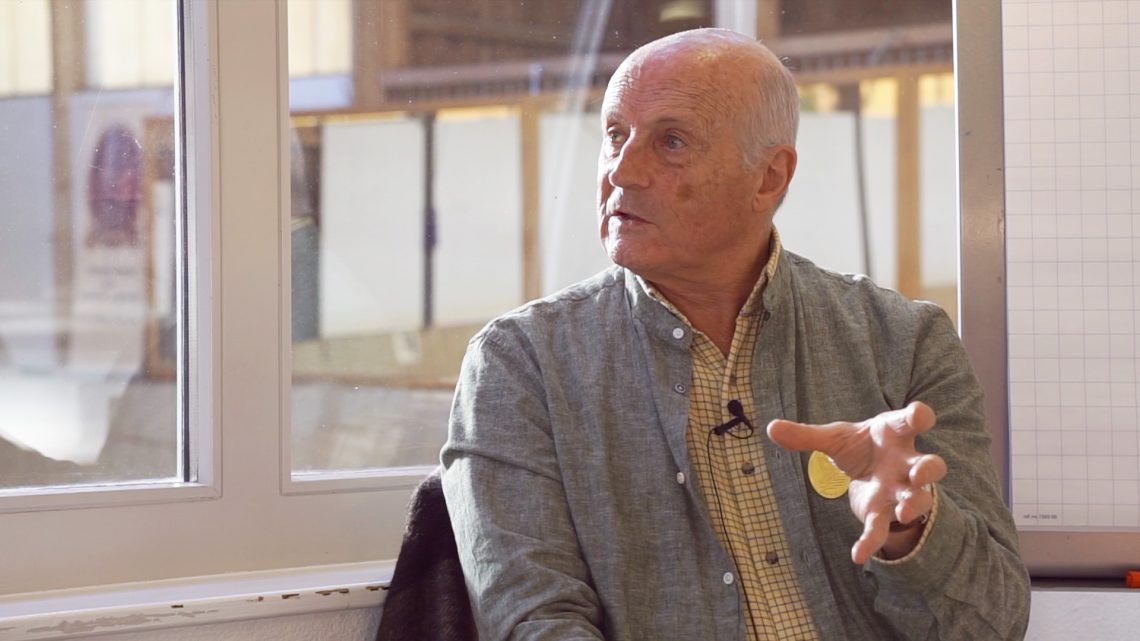
Philippe Karl on the Problems of Modern Dressage and the Essence of French Classical Riding | INSIDE THE MANÈGE
In this second episode of the Inside the Manège podcast, I sit down with Philippe Karl, renowned rider and teacher of French classical riding. In this episode, he shares his critiques of modern dressage riding, discusses how to ride according to the nature of the horse, and what differentiates the French classical tradition. With over 50 years of experience riding and teaching, Philippe Karl was a rider of the famous Cadre Noir in Saumur, France for 13 years. While teaching…
-
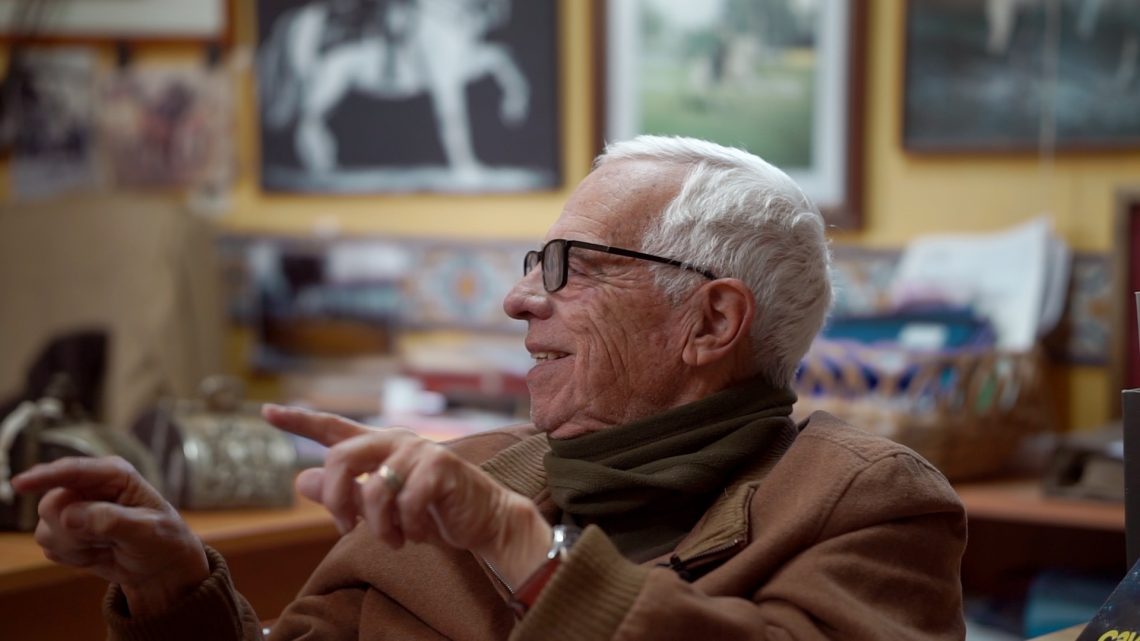
Luís Valença on Equestrian Art, Nuno Oliveira, and What Makes a Classical Rider | INSIDE THE MANÈGE
In this first episode of the podcast series Inside the Manège, renowned classical dressage master Luís Valença speaks about his life and work with horses, shares stories of Nuno Oliveira, and explores what sets equestrian art apart. Now one of the most well-known classical riding masters in Portugal, and having been a long-time student of Nuno Oliveira and also worked with the Portuguese School of Equestrian Art, Luís Valença has an incredible depth of knowledge in all things classical riding.…
-
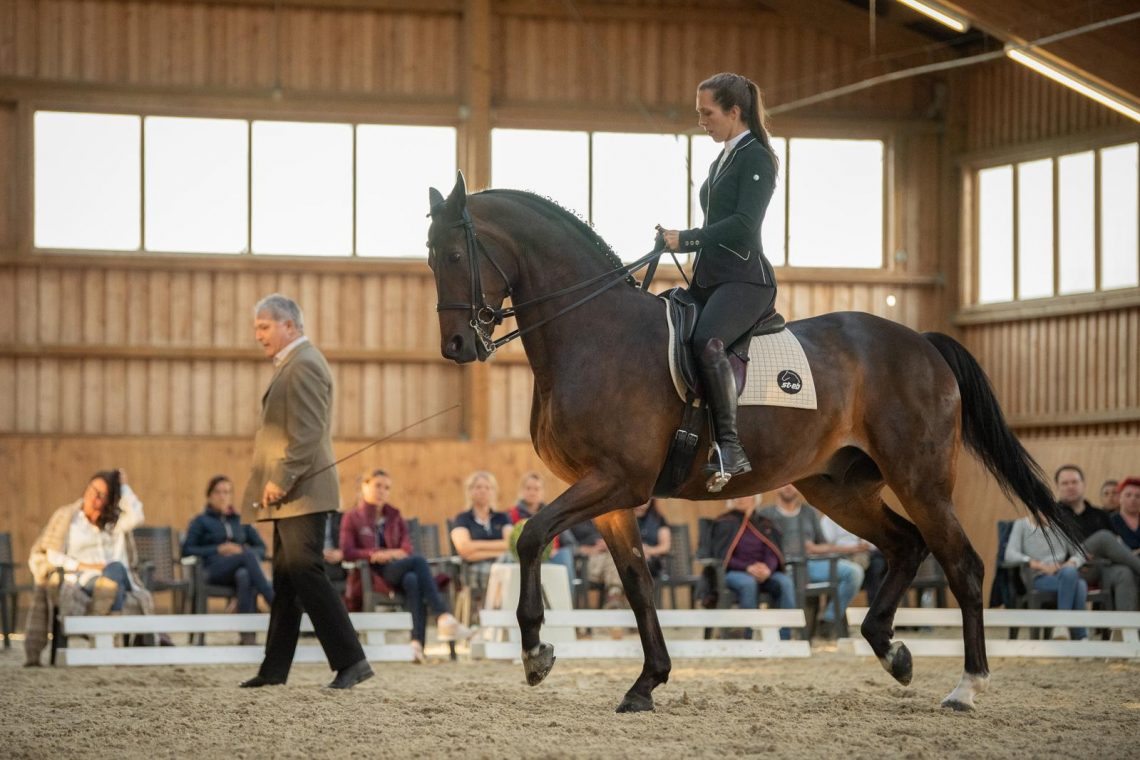
Christina Wunderlich: Passing on Classical Riding with Vertikal
Working dedicatedly to share her passion and spread the knowledge of classical dressage, Christina Wunderlich is a sought-after trainer and teacher, and the head rider at Oliveira Stables, the now well-known classical stable located in the epicentre of the modern dressage world in southern Germany. With a highly approachable, direct manner and a tireless sense of humour, Christina specializes in training students and horses in what is called Vertikal, a system of classical riding passed on by the teachings of…
-
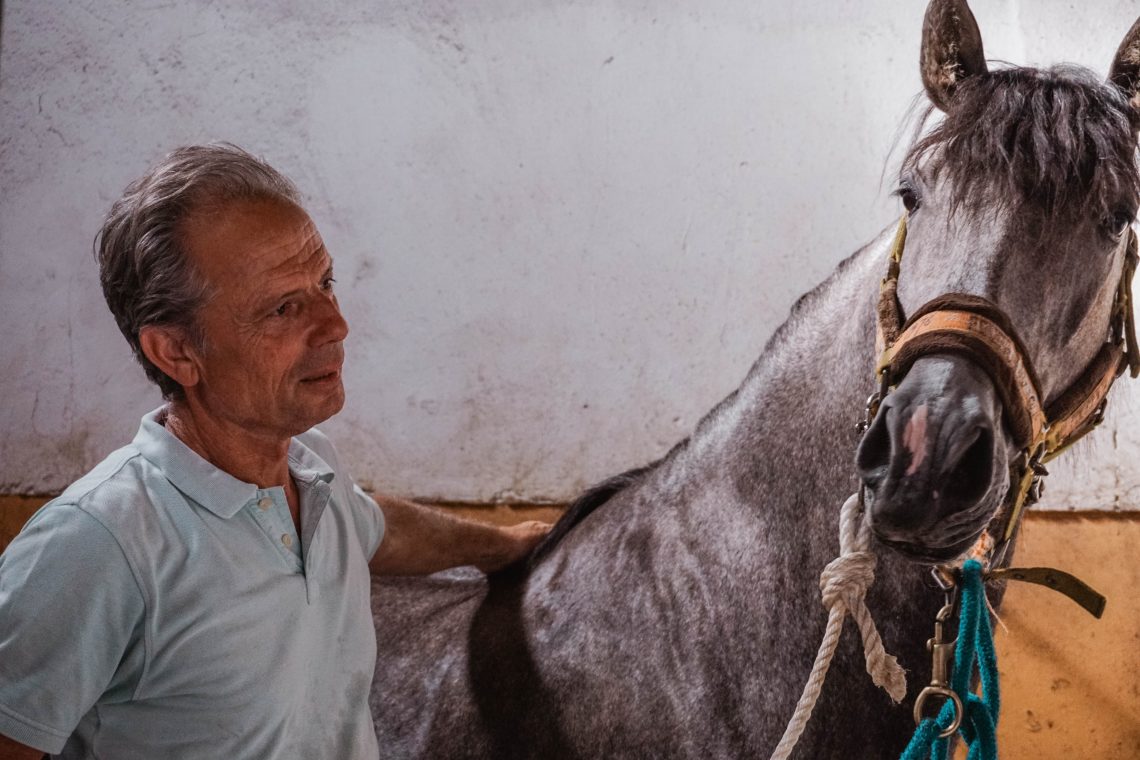
António Borba Monteiro: Creating Harmony through Classical Riding
If there is one thing that distinguishes a master rider, that results from years and years of working with horses up to the highest levels, it is having an extraordinary sense of “feel.” This intangible quality is invaluable, enabling a rider to simply “know” what is needed in any given moment, and have the ability to harmoniously and seemingly effortlessly influence the horse to bring out its best through training. One rider that truly demonstrates this is António Borba Monteiro.…
-
Straightening the Crooked Horse: What’s your Horse’s Asymmetry?
As with people, horses often tend to be slightly asymmetric. However, many riders don’t realize that challenges they face in their riding can often develop from issues with the horse’s straightness, stemming from this asymmetry. Issues such as the horse pushing in or out in one direction, being heavy on one rein, having trouble picking up one canter lead, or struggling to maintain rhythm in one direction, are just a few examples of the symptoms that can appear due to…
-
Combining Steinbrecht’s Critiques with Baucherist Riding
As an outspoken critic of François Baucher’s work, Gustav Steinbrecht described his critiques of Baucherism in his classic book, The Gymnasium of the Horse, as he advocated for following the training methods of the Old School. While both horsemen lived in the 19th century, Baucher and Steinbrecht had quite different approaches to training the horse – with Baucher seeking lightness and balance, and Steinbrecht seeking “throughness” and collectability. Yet while Steinbrecht’s Gymnasium can sometimes be painted as if opposed to…
-
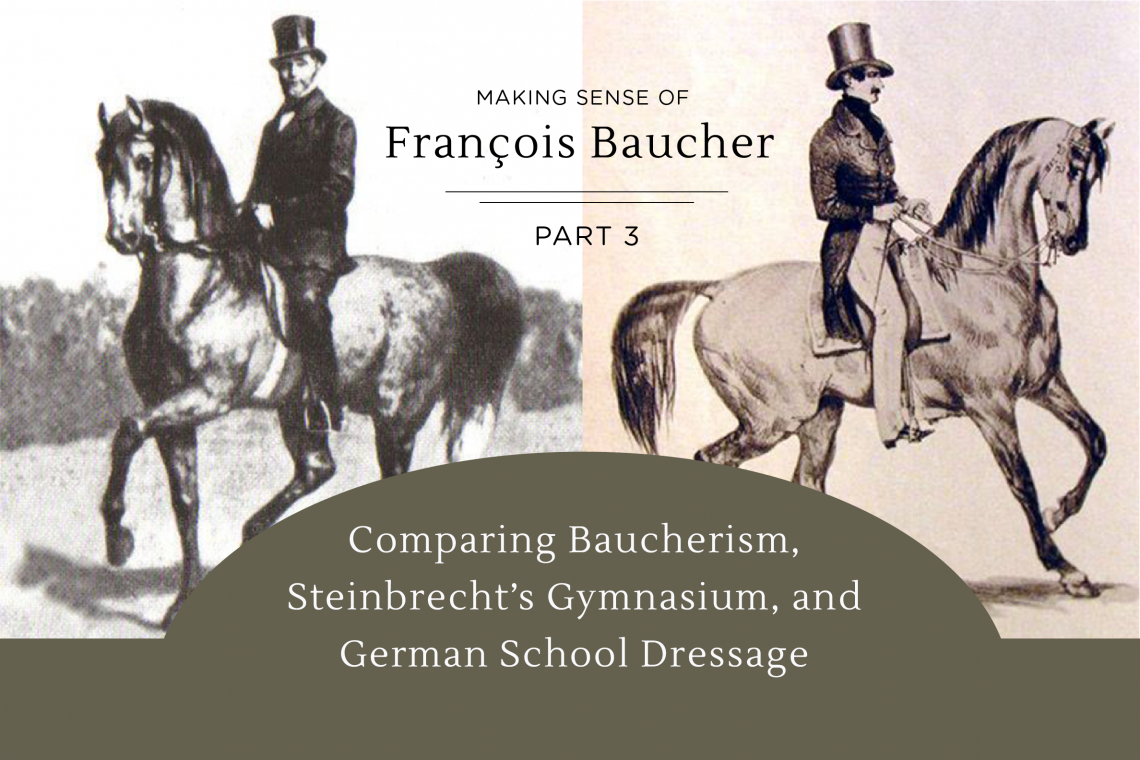
Making Sense of Baucher Part 3: Comparing Baucherism, Steinbrecht’s Gymnasium, and German School Dressage
François Baucher’s training methods brought a unique system of developing a horse in lightness, yet his techniques countered some of the fundamental, prevailing ideas of horse training in his time. His methods continue to offer a philosophy that at times significantly differs from German School riding that we now see most commonly in dressage. This has led to quite a bit of skepticism, criticism, and controversy over his methods, as his philosophy offers an alternative view to some common, closely…
-
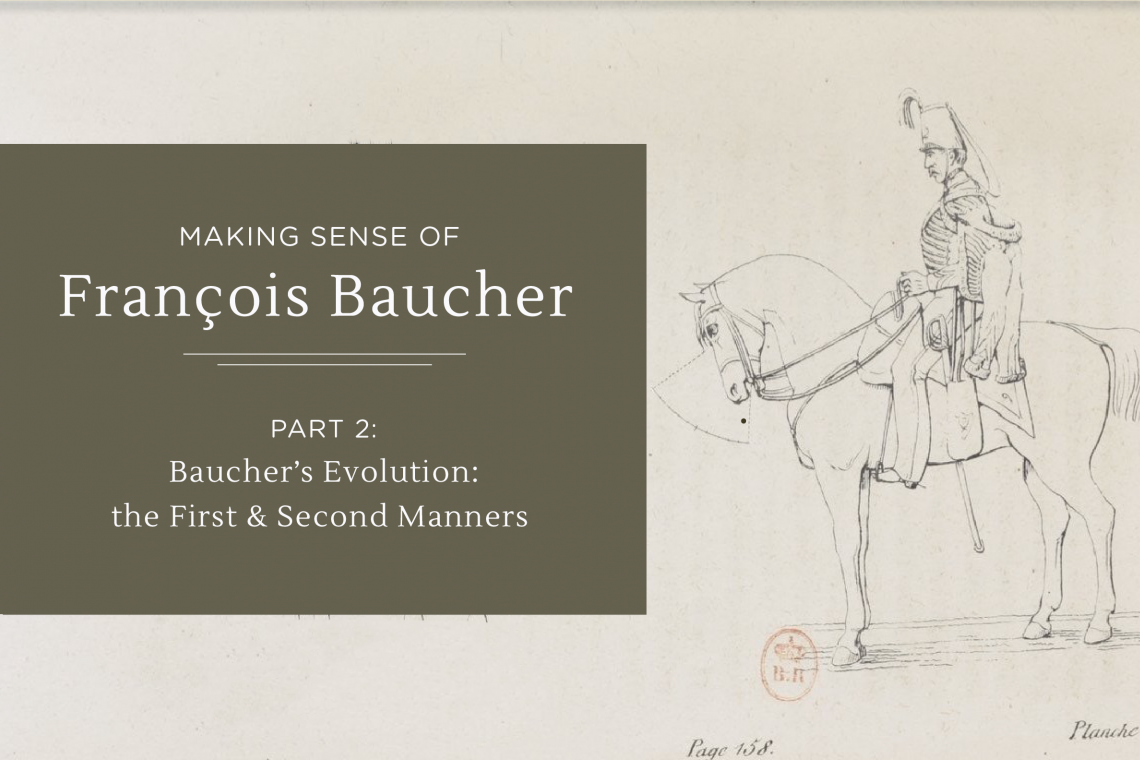
Making Sense of Baucher Part 2: Baucher’s Evolution
Over his career, François Baucher refined his methods considerably. But while his earlier work (the first manner) became quite well known, his second manner, which first appeared only in the 12th edition of his New Method of Horsemanship, sadly didn’t achieve the same reach. Thus, there’s sometimes some vagueness about his philosophy and methods, as it can be easy to find only his first manner (especially in English), which can at times appear to contradict his later ideas. For example, the opposition of hands and…
-
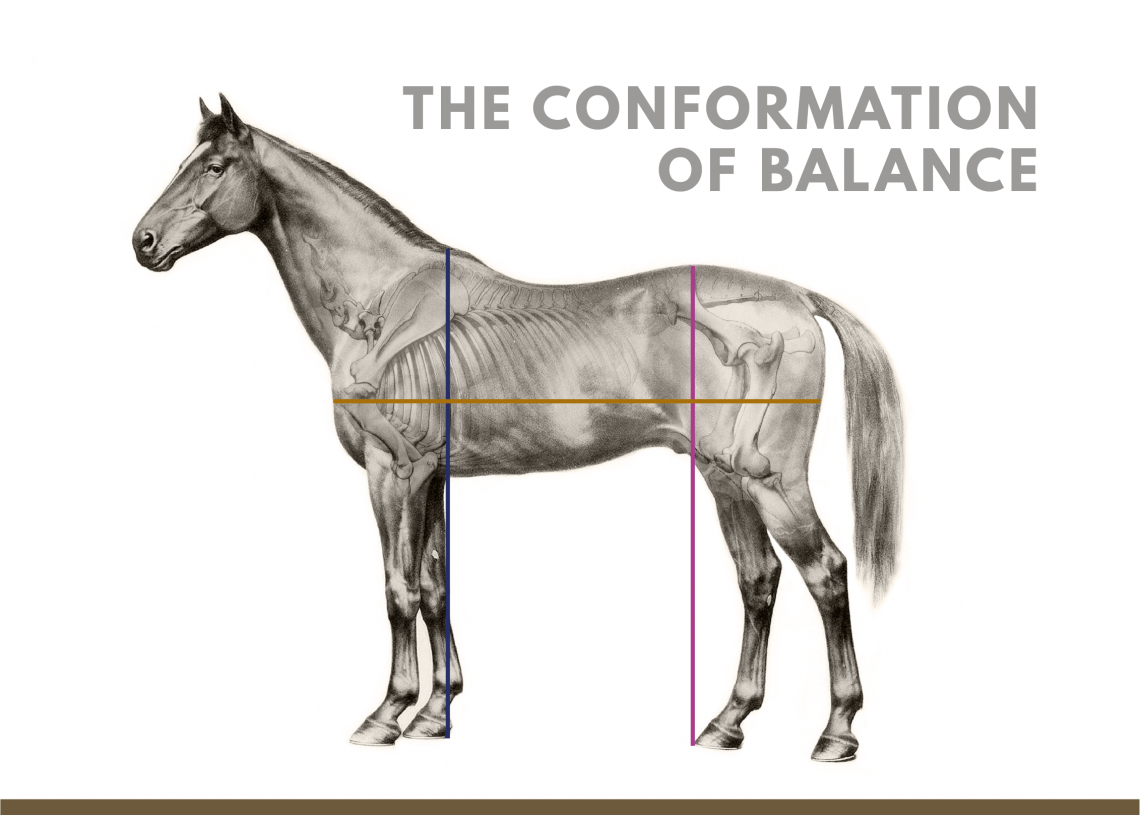
The Conformation of Balance
I don’t know about you, but I remember learning conformation as being very complicated. There can be endless diagrams, angles to analyze, triangles and squares to visualize, and various different methods of analysis. But really when it comes down to it, all that matters most to us as riders is how a horse’s conformation will impact its movement, our riding, and its training. If we want to bring a horse into balance and lightness, where it can move with the…