-
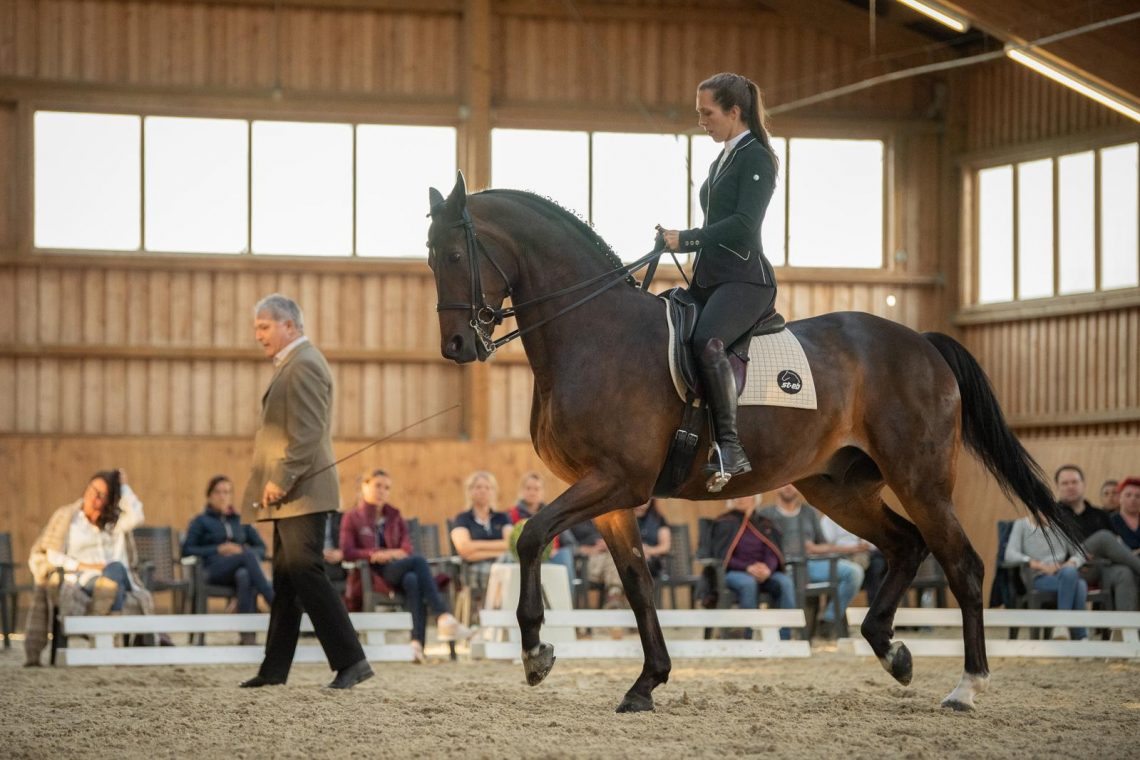
Anja Beran: The Crisis of Modern Riding & Using Dressage as Physiotherapy | INSIDE THE MANÈGE
In episode 3 of the Inside the Manège podcast, I join classical rider and trainer Anja Beran at her farm in Germany, Gut Rosenhof. In this episode, our conversation explores where modern riding has lost its way – and the importance of returning to training based on classical principles. With more than thirty years of experience, Anja Beran has authored multiple books on classical training, as well as taught internationally. Having worked with a wide range of horses – from…
-
Philippe Karl on the Problems of Modern Dressage and the Essence of French Classical Riding | INSIDE THE MANÈGE
In this second episode of the Inside the Manège podcast, I sit down with Philippe Karl, renowned rider and teacher of French classical riding. In this episode, he shares his critiques of modern dressage riding, discusses how to ride according to the nature of the horse, and what differentiates the French classical tradition. With over 50 years of experience riding and teaching, Philippe Karl was a rider of the famous Cadre Noir in Saumur, France for 13 years. While teaching…
-
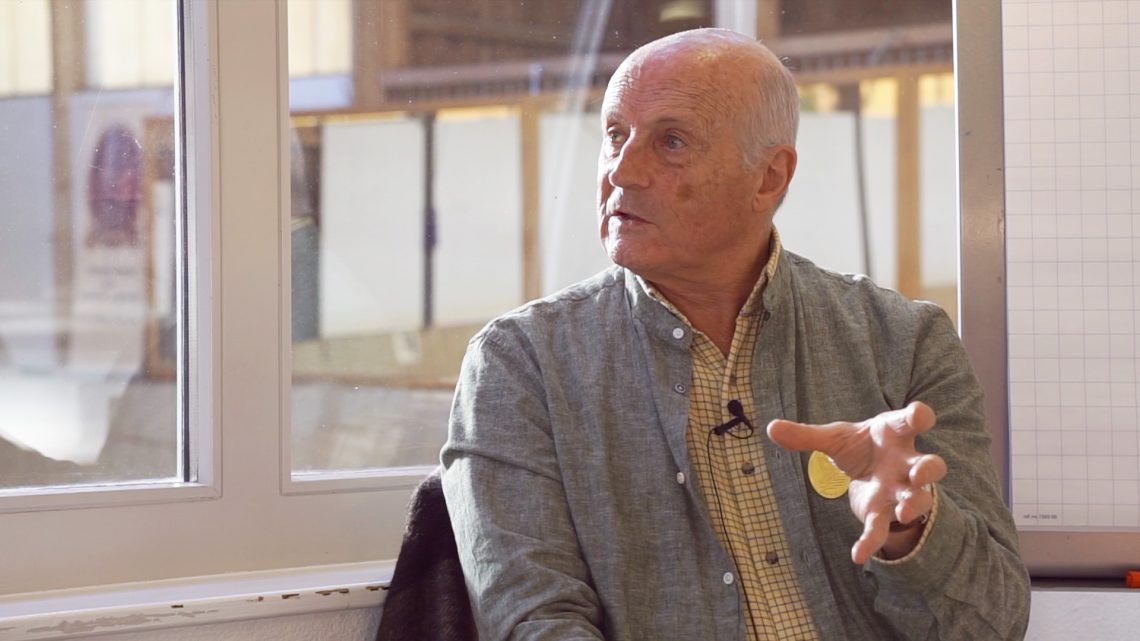
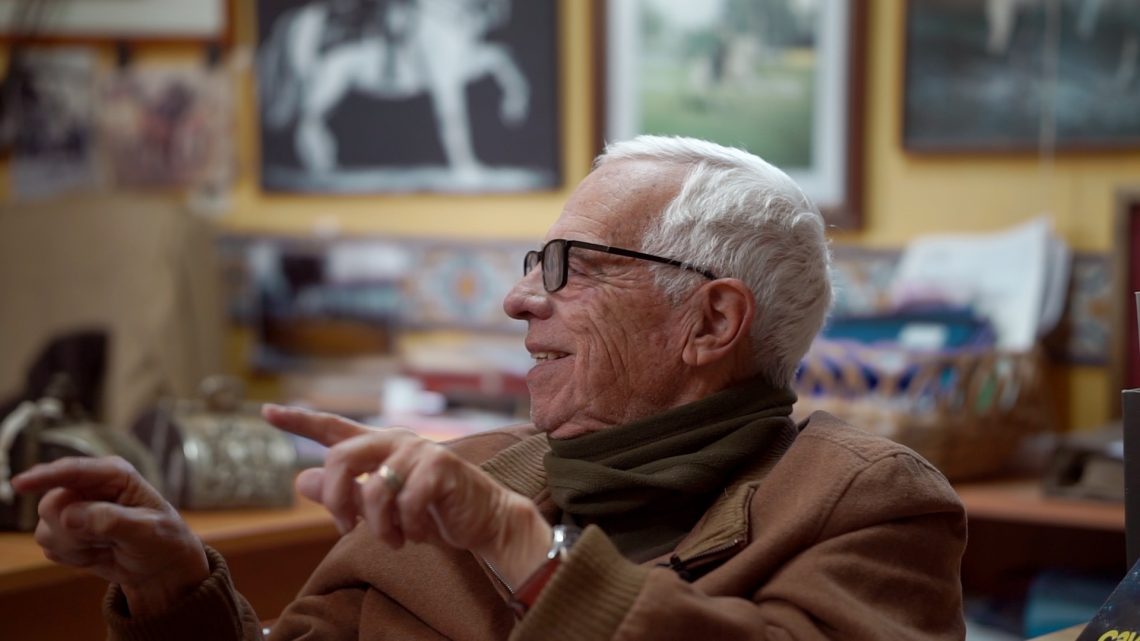
Luís Valença on Equestrian Art, Nuno Oliveira, and What Makes a Classical Rider | INSIDE THE MANÈGE
In this first episode of the podcast series Inside the Manège, renowned classical dressage master Luís Valença speaks about his life and work with horses, shares stories of Nuno Oliveira, and explores what sets equestrian art apart. Now one of the most well-known classical riding masters in Portugal, and having been a long-time student of Nuno Oliveira and also worked with the Portuguese School of Equestrian Art, Luís Valença has an incredible depth of knowledge in all things classical riding.…
-
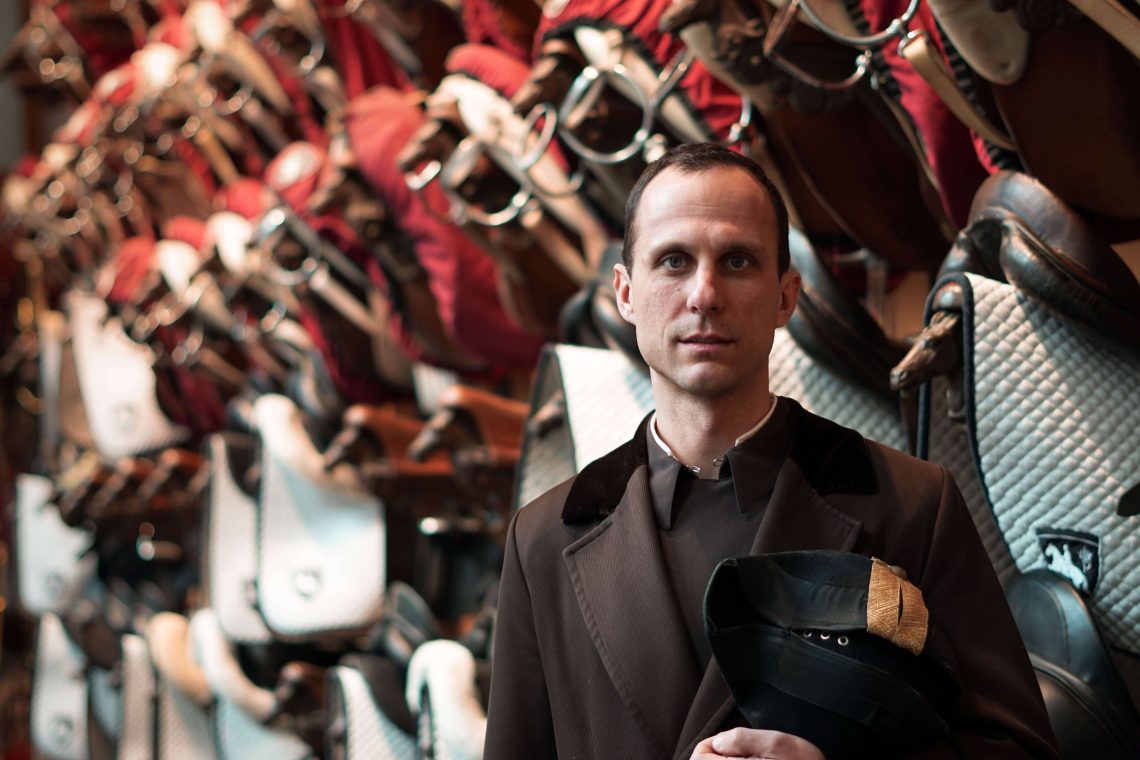
The Spanish Riding School: A Rider’s Look Inside Europe’s Oldest Classical Academy
For over 450 years, the Spanish Riding School has been a centre for cultivating classical riding from within the baroque walls of the Hofburg Palace in Vienna, Austria. Once at the seat of the Holy Roman Empire, the School began in the 16th century, and continues today with dressage performances all around the world with its riders and their famous white Lipizzaner stallions. As the oldest and perhaps most well-known of the four classical riding academies in Europe (the others…
-
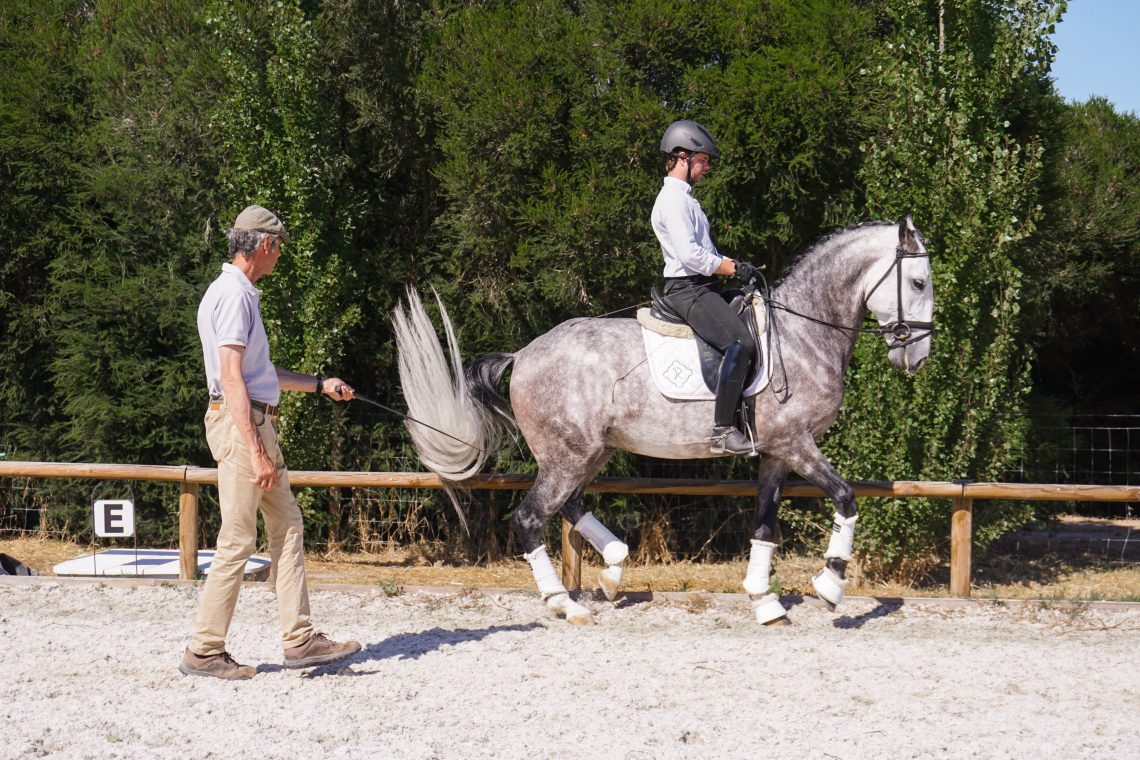
João Pedro Rodrigues: Breeding Some of Portugal’s Best
Just across the river from Lisbon, located amidst the pine forests, grasslands, and cork trees of the Ribatejo region, João Pedro Rodrigues breeds and trains some of Portugal’s top Lusitanos at his stud farm, Coudelaria João Pedro Rodrigues. Also the Headmaster of the Portuguese School of Equestrian Art, as a breeder João Pedro has won the most championship titles of any Portuguese breeder at the National Feira of Golegã, and bred the most Lusitanos competing at grand prix level as…
-
Christina Wunderlich: Passing on Classical Riding with Vertikal
Working dedicatedly to share her passion and spread the knowledge of classical dressage, Christina Wunderlich is a sought-after trainer and teacher, and the head rider at Oliveira Stables, the now well-known classical stable located in the epicentre of the modern dressage world in southern Germany. With a highly approachable, direct manner and a tireless sense of humour, Christina specializes in training students and horses in what is called Vertikal, a system of classical riding passed on by the teachings of…
-
Straightening the Crooked Horse: What’s your Horse’s Asymmetry?
As with people, horses often tend to be slightly asymmetric. However, many riders don’t realize that challenges they face in their riding can often develop from issues with the horse’s straightness, stemming from this asymmetry. Issues such as the horse pushing in or out in one direction, being heavy on one rein, having trouble picking up one canter lead, or struggling to maintain rhythm in one direction, are just a few examples of the symptoms that can appear due to…
-
Leading Horses From the Inside Out
Many people have different ideas about what our relationship with horses should look like. While some horse people still advocate for “being the boss” and establishing dominance, others have shifted away from this idea, and aim to act more as a friend rather than a boss, building trust through soft and sensitive requests. There are interesting merits and limitations to both of these approaches. But what most people miss is that while there are many methods of training and working…